
Returning to Work After a Career Break: How to Explain the Gap and Rebuild Confidence
A career break isn't a weakness on your resume. Learn how to explain the gap clearly, refresh your skills,...

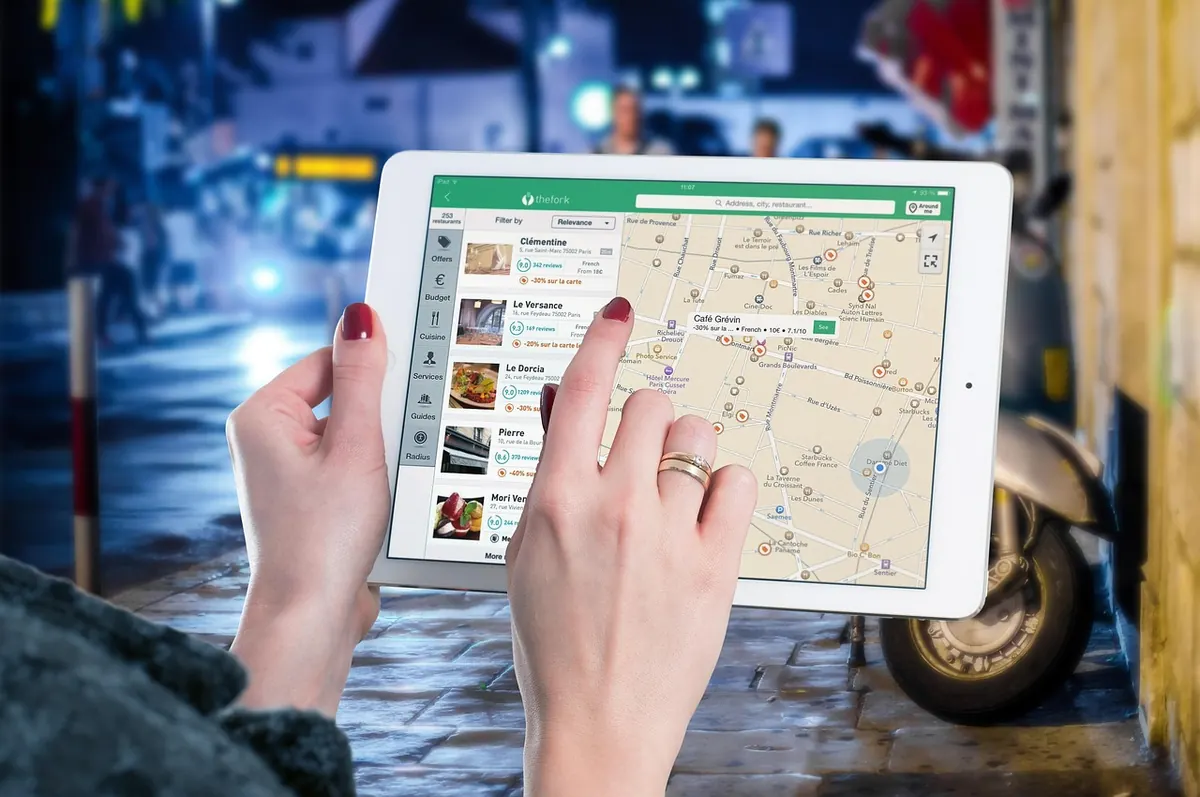
The job you want might be four blocks from your apartment, and it might never appear on a job board. Local hiring runs on a different circuit than online applications. A dentist's office needs a new front-desk coordinator by Friday. A bakery owner mentions to a regular customer that she needs weekend help. A property manager asks a contractor if he knows anyone reliable. These openings get filled quietly, often within days, by whoever happens to be nearby and paying attention.
You can be that person. It takes a little legwork, a decent system, and the willingness to be visible in your own neighbourhood. Here is how to work the local market properly.
Small employers rarely have a human resources department. Posting a job means writing a description, fielding fifty emails and screening strangers, and many owners would rather ask around first. Referrals feel safer. A walk-in with a firm handshake feels safer. So the job goes to a friend of a current employee, or to the person who dropped off a resume two weeks before the vacancy existed.
That last part matters. Local hiring is often reactive and fast. The need appears suddenly, and whoever is already on the owner's radar gets the first conversation. Your goal is to be on that radar before the opening exists.
Start with the places people still pin paper to cork. Library entrances, community centres, rec halls, coffee shops, laundromats, grocery store exit doors, churches, gyms, co-working lobbies, farmers market notice boards. Yes, some of it is guitar lessons and babysitting. Some of it is a real job with a phone number, which means far less competition than an online listing.
Check the same boards every week. Postings there are removed once filled, so a fresh sheet of paper is a live opportunity. Photograph anything promising and write the date you saw it.
Online, go local and small:
Municipal and public sector roles deserve a special mention. They are frequently advertised nowhere else, and the application process is slower and more formal, so plan ahead.
The walk-in still works, especially for retail, food service, clinics, salons, trades and small offices. The trick is timing and brevity.
Expect a lot of "we're not hiring right now." That is still a win. You have a face and a name on file for the moment that changes.
New businesses hire in waves. Watch for new signage, renovation permits, "opening soon" banners and fresh leases in strip malls. A shop that opens in six weeks needs staff in three. Getting in early puts you ahead of the crowd at the grand opening.
Also think about the quieter employers that rarely advertise: dental and veterinary clinics, law and accounting offices, physiotherapy practices, property management companies, moving and landscaping crews, funeral homes, private schools, nonprofits and co-working spaces. Many have steady turnover in admin, scheduling and customer service roles and no online presence for hiring at all.
Local agencies place administrative, accounting, healthcare support, warehouse and light industrial workers, often on a temp-to-hire basis. Temp work is a legitimate route in: employers use it as a long audition, and plenty of people get permanent offers after a few months.
Pick two or three agencies that specialise in your field rather than registering with ten general ones, where you become another file. Be specific about your skills, your commute range, your shift limits and your pay floor. Call your recruiter every week or two with a short update. You want to be the first name they think of when a client calls.
One note: legitimate staffing agencies are paid by the employer. Be wary of any arrangement that asks you to pay a placement fee, and if you are asked to sign a contract, read it carefully or get advice before signing.
In-person networking has a bad reputation because people treat it like a sales pitch. Do the opposite. Attend chamber mixers, industry association meetings, library career workshops, volunteer shifts, rec leagues and alumni gatherings, and spend the first conversation asking about the other person's work. Then make one clear, specific ask: "Do you know anyone hiring for bookkeeping or office admin nearby?"
Follow up within two days with a short message. Most people don't, which is exactly why it works.
Build a list of twenty-five local employers within a comfortable commute. Visit five in person this week. Register with two agencies that fit your field. Attend one event where local business people actually show up. Then keep a simple tracker with the business name, the person you spoke to, the date and the next step, and follow up every ten to fourteen days with something new rather than a plain "just checking in."
Local job searching rewards consistency more than volume. A handful of real conversations, repeated and followed up, will usually beat a hundred applications sent into silence.
Photo: Firmbee / Pixabay
A career break isn't a weakness on your resume. Learn how to explain the gap clearly, refresh your skills,...
Burnout doesn't reset with a new job title. A practical plan for naming your triggers and setting five...
Seven common salary negotiation mistakes — from naming a number too early to apologizing for asking — plus...