
Returning to Work After a Career Break: How to Explain the Gap and Rebuild Confidence
A career break isn't a weakness on your resume. Learn how to explain the gap clearly, refresh your skills,...

Two tabs are open. One is a LinkedIn posting with a blue Easy Apply button. The other is the same job on the company's own careers page, asking you to create an account, upload a resume, and retype your employment history into six separate boxes. One route takes ninety seconds. The other takes twenty minutes. The fast one looks like the obvious choice — and for some roles it is. But "fast" and "effective" are not the same thing, and knowing which one to use when will save you both time and missed opportunities.
Easy Apply exists to remove friction, and it does that job well. Your LinkedIn profile does most of the talking. You choose a resume from your uploads, answer a few screening questions the employer has set — work authorization, salary expectations, years of experience — and submit. In most postings there is no cover letter field, no place to attach a portfolio, and little room to tailor anything beyond which resume you pick.
Where your application lands matters. It usually arrives in the recruiter's LinkedIn inbox, and often syncs to the company's applicant tracking system if the employer has that integration switched on. Either way, the first impression is your profile: headline, photo, recent activity, and the job titles in your experience section. It is not the carefully edited document you rewrote on Sunday night.
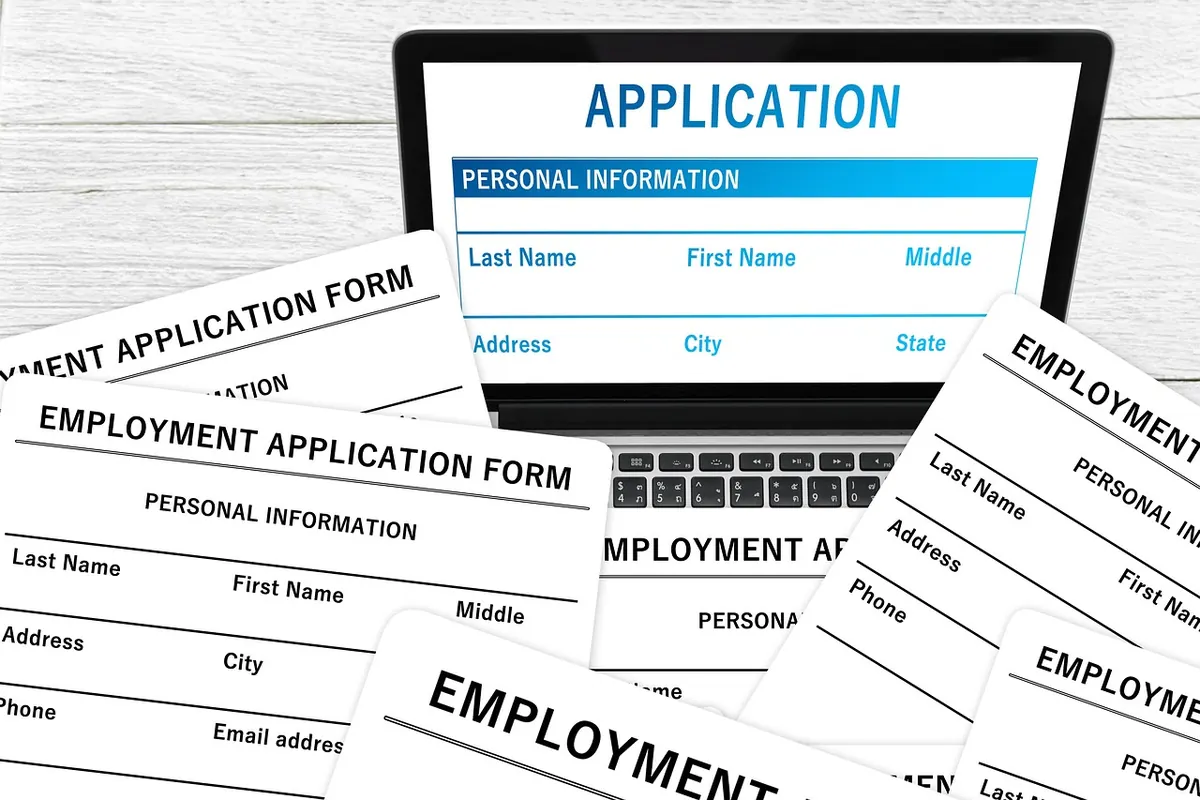
Applying directly puts your application into the system the company actually hires from — Workday, Greenhouse, Lever, Ashby and similar platforms. You create an account, upload a resume, and often retype your history so the fields parse correctly. It is tedious, and everyone knows it.
The payoff is control and permanence. You choose the file version. You can attach a cover letter, a portfolio, a writing sample, or a short note about a referral. And your application sits in the pipeline that hiring managers and recruiters search when they review candidates. An Easy Apply that synced imperfectly can end up in a folder nobody opens. A direct application is the record of truth.
There is no honest universal number for response rates — they swing wildly by industry, seniority, and how a given employer is set up. What you can rely on is the mechanics behind them:
With Easy Apply you get an "Applied" label on LinkedIn and, sometimes, a "Viewed" signal if the recruiter opens your profile. That is about it. You rarely learn whether you were shortlisted, rejected, or simply never seen.
Many applicant tracking systems, by contrast, send a confirmation email and then status updates: under review, screening, interview, or declined. Not every company bothers, but when they do, you get real feedback and a reason to follow up intelligently.
Whichever route you use, keep your own simple tracker — company, role, date, route (Easy Apply or career page), and a follow-up date. Seven to ten days is a reasonable gap before a short, polite message to the recruiter or hiring manager. Logging the route tells you something useful over time: if your Easy Apply submissions go quiet but your direct ones get replies, you have your answer.
You do not have to pick a side. Treat Easy Apply as a fast filter and the career page as your serious move.
Default to the company career page for any job you genuinely want. The extra twenty minutes buys you a readable cover letter, a clean record in the hiring system, and a better shot at a human reply. Use Easy Apply for roles where you are a clear match, for small companies that live on LinkedIn, and for the early, exploratory stage of a search when volume is the point.
What you should never do is let Easy Apply be your only move on a role you care about. Speed is a convenience, not a strategy. Do the slow version for the jobs that matter, and save the fast one for the rest.
Photo: geralt / Pixabay
A career break isn't a weakness on your resume. Learn how to explain the gap clearly, refresh your skills,...
Burnout doesn't reset with a new job title. A practical plan for naming your triggers and setting five...
Seven common salary negotiation mistakes — from naming a number too early to apologizing for asking — plus...